About
Core Values

Lauren Pinkston is a wife, a mom of 4, and a 7th generation Tennessean.
Early Years
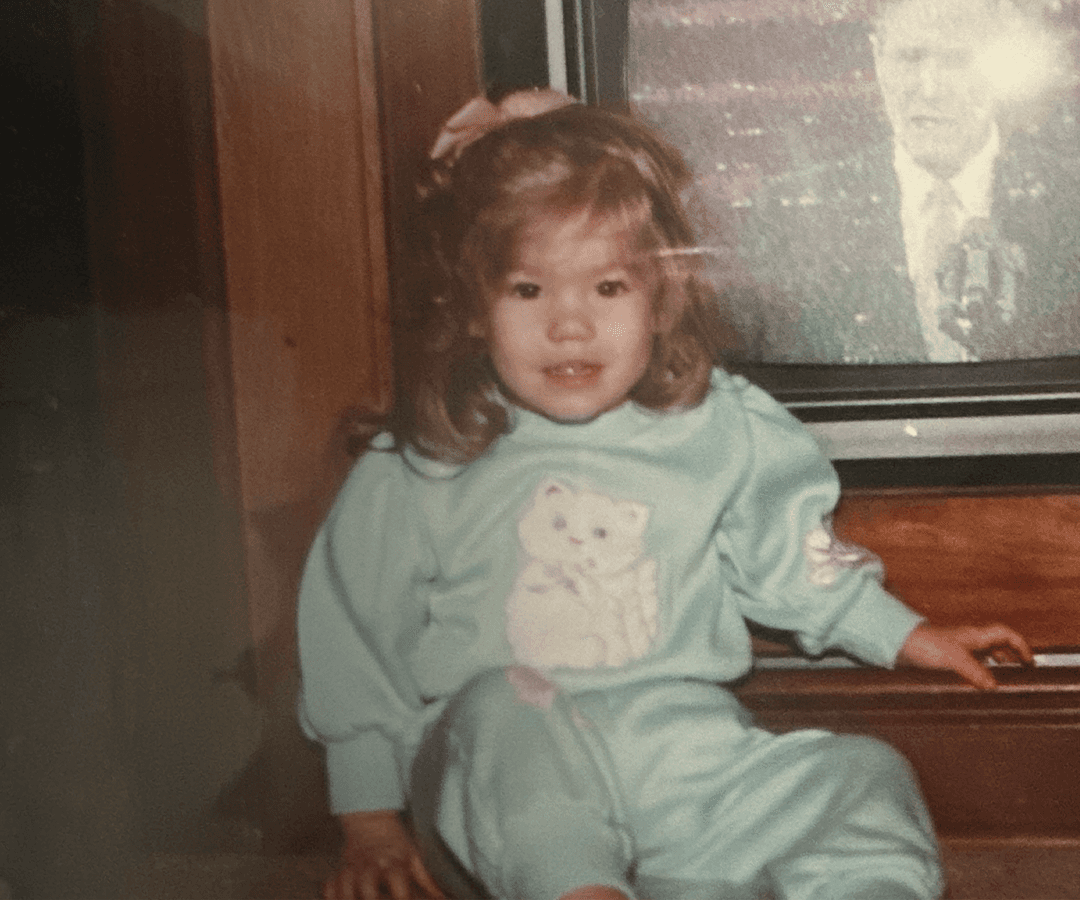
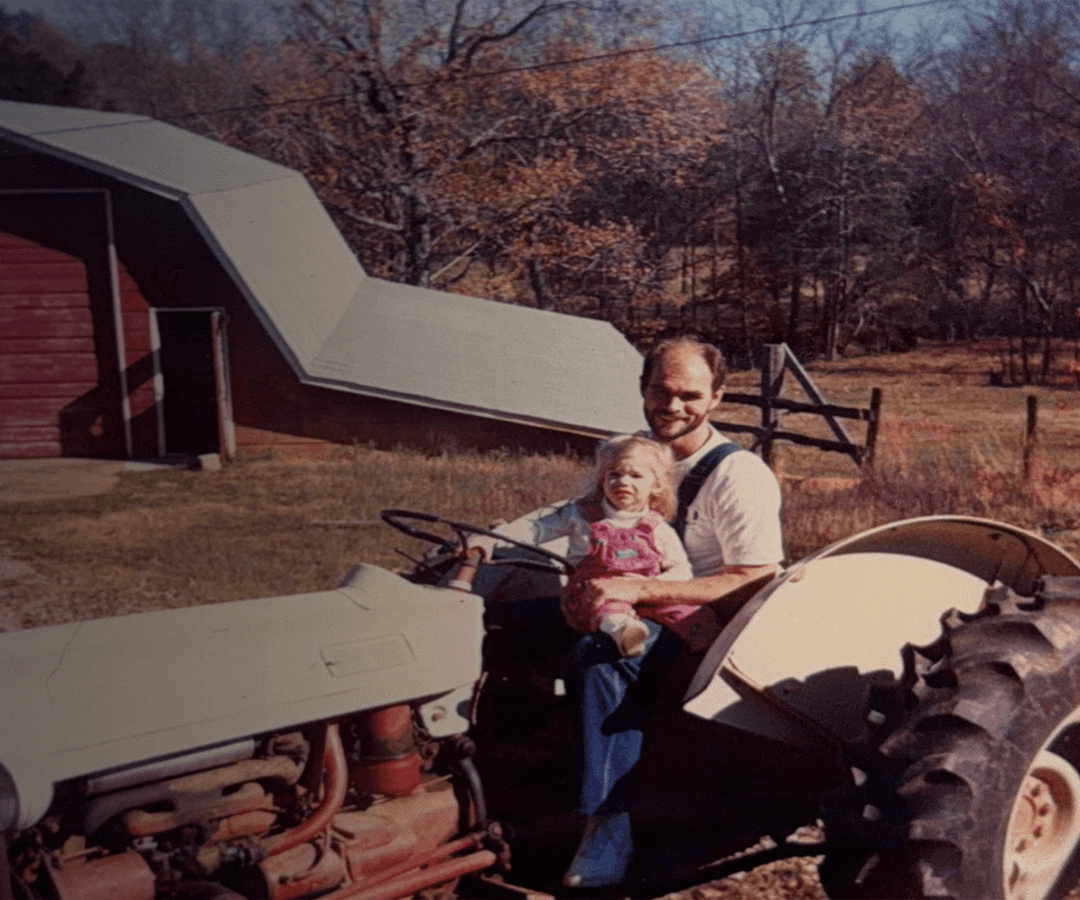
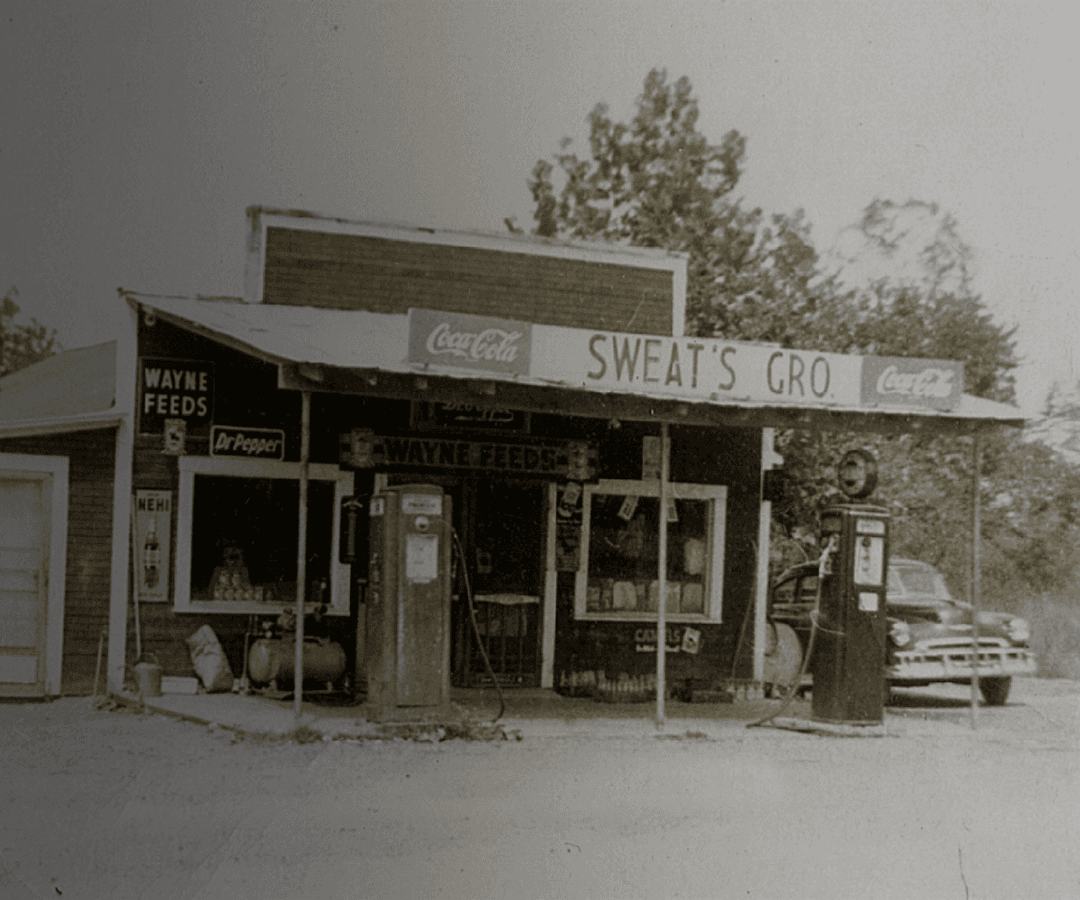
My earliest years were spent in the same home where my mother was raised in Stantonville, Tennessee. Both of my maternal grandparents unfortunately passed before I was born, but my grandfather’s legacy of farming cotton and showing horses was evident in every corner of our home along with my grandmother’s affinity for priceless antiques.
Rodeo trophies and tobacco pouches sat atop heirloom furniture, a nod to the past that was already baked into the roots of my DNA. The only problem was I was hungry to sow seeds of curious adventure rather than remain on the land my family had been earnestly tilled.
Even from the age of 5, I remember being acutely aware that my location in the world was one that held enormous privilege. I watched news coverage from the 1992 drought across the southern nations of Africa, and for years my family says that I prayed at dinner for “the kids who don’t have a mother or a father and have to drink muddy water.”
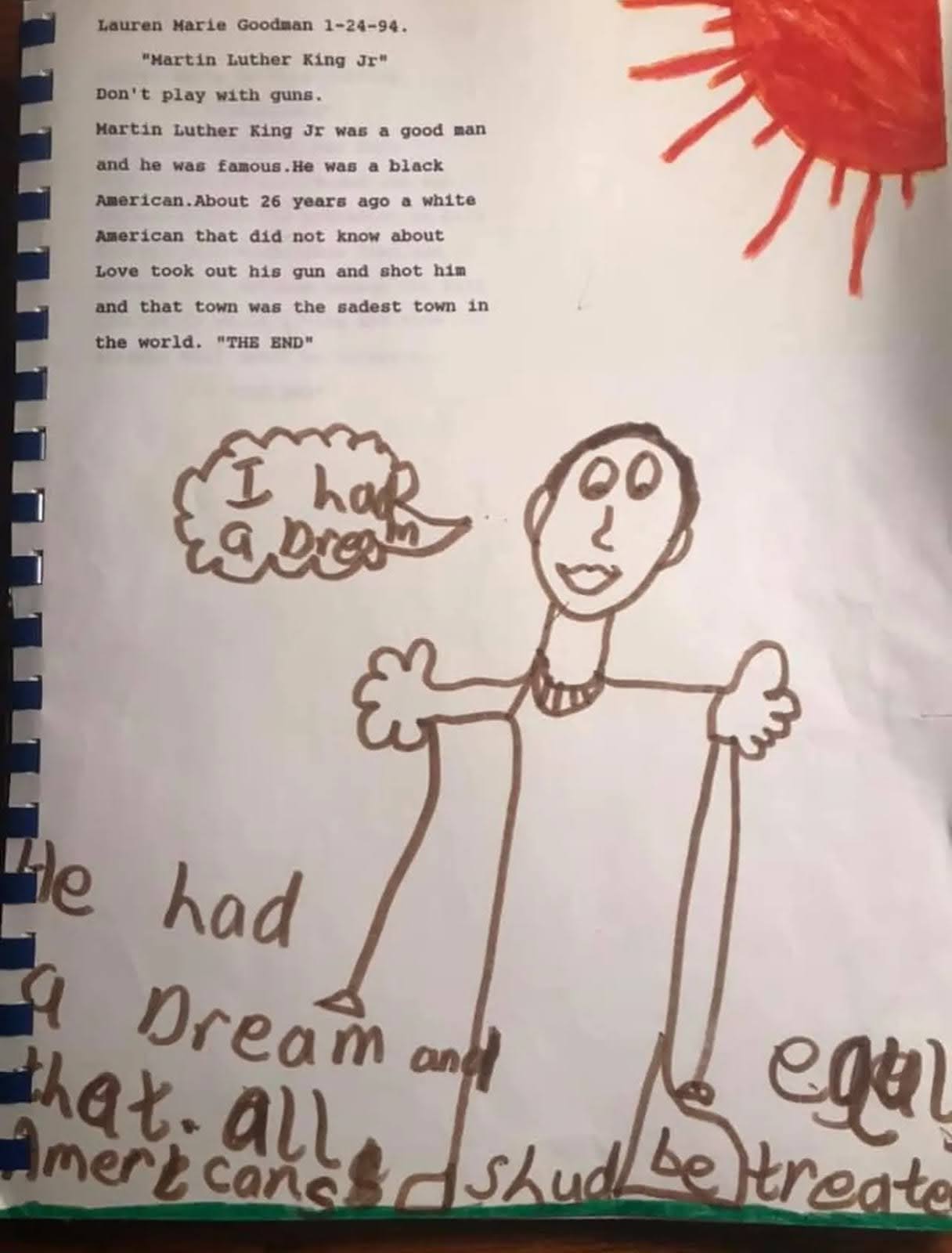
I watched news coverage from the 1992 drought across the southern nations of Africa, and for years my family says that I prayed at dinner for “the kids who don’t have a mother or a father and have to drink muddy water."
When I started school, the weight of segregation was a great burden on my small heart. It was hard to believe that if I had been born just a few decades before, my friends Whitney and Angie and RoDerrick wouldn’t have been in my class. And yet, the young history was a steady reminder every Sunday as the racial lines of my small town were drawn with segregated houses of worship on either side.
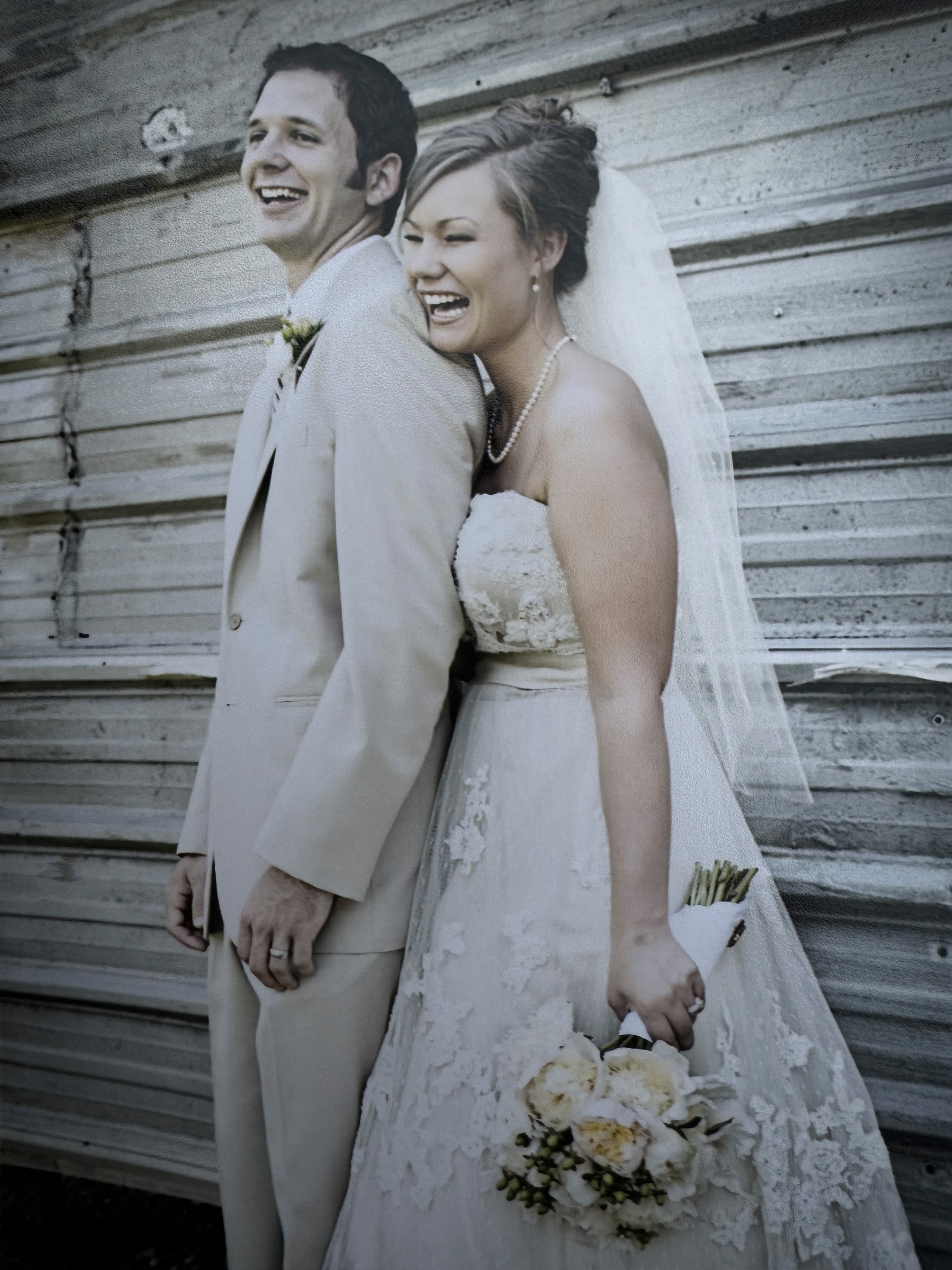
My mother was a kindergarten teacher for most of her career, and I followed her path earning my first degree in elementary education. I walked down the aisle to my marriage with Gavin two weeks after walking the stage of my college graduation. He was finishing his last year of medical school, so we lived together in a small apartment in Memphis where I taught at a tiny private school and we pinched pennies through the 2009 recession.
In 2010, Gavin and I moved to Greenwood, South Carolina, where he completed his 3-year family practice residency. I taught 4th grade in a local public school and began my graduate education in International Family and Community Studies at Clemson University. The days were long but the years were short while Gavin and I both worked 60, 80, and sometimes 100+ hour weeks. We made plans to move overseas after Greenwood, and just in time, we welcomed Eliza to our family two weeks before Gavin’s graduation.
Growing My Family and Career
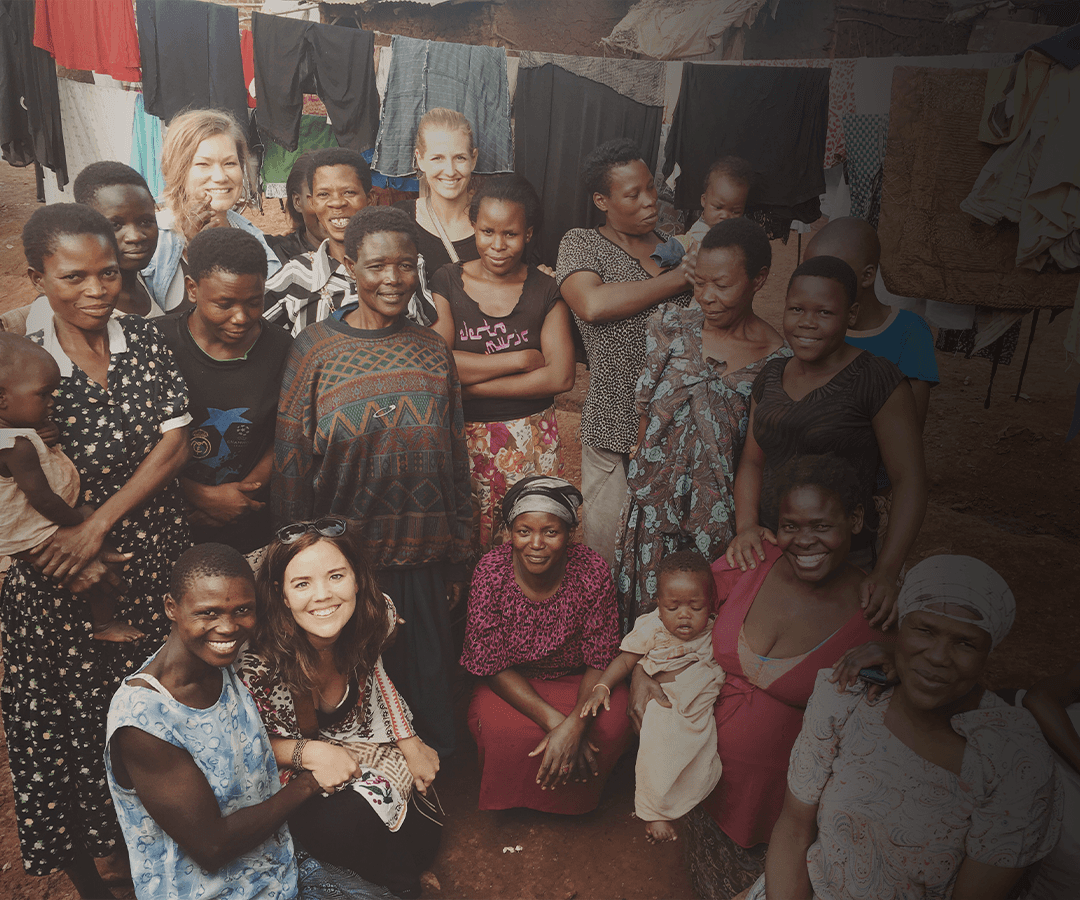
Living abroad was everything I had dreamed it would be, initially given a taste by my short travels across Haiti, Peru, and Kenya.
Even so, the long-term realities of life in a developing nation with a communist government awakened my understanding of American history in ways I couldn’t have imagined.
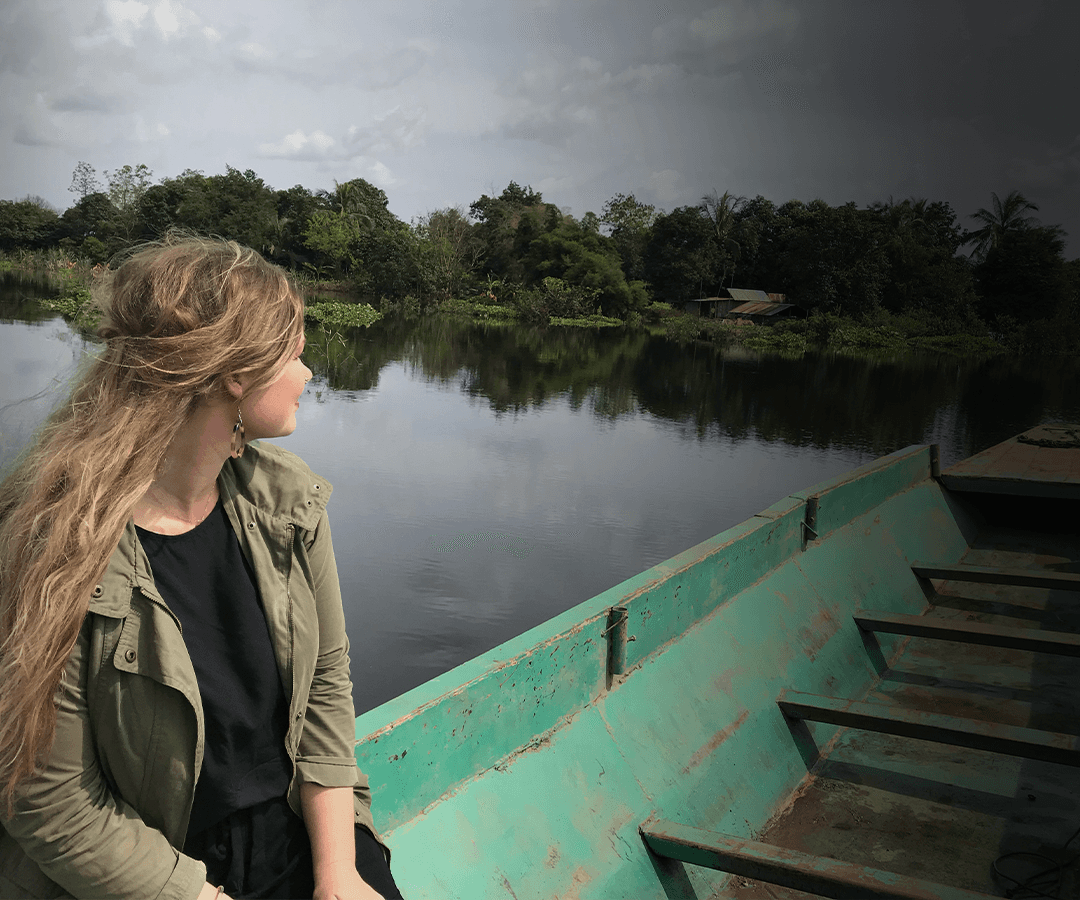
In early 2016, I visited our village office in Laos to pay our quarterly tax fee and watched as my neighbors lined up to vote in an election where the winner had already been decided by the Communist Party leaders.
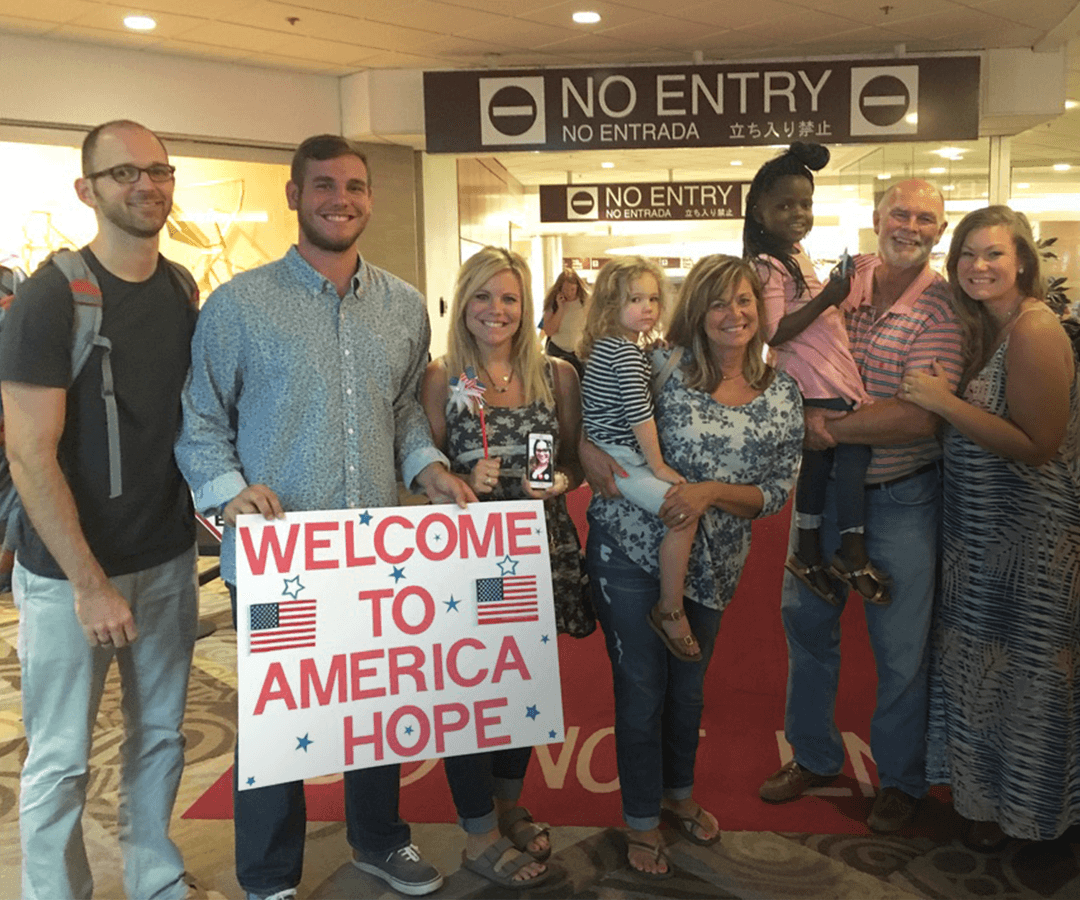
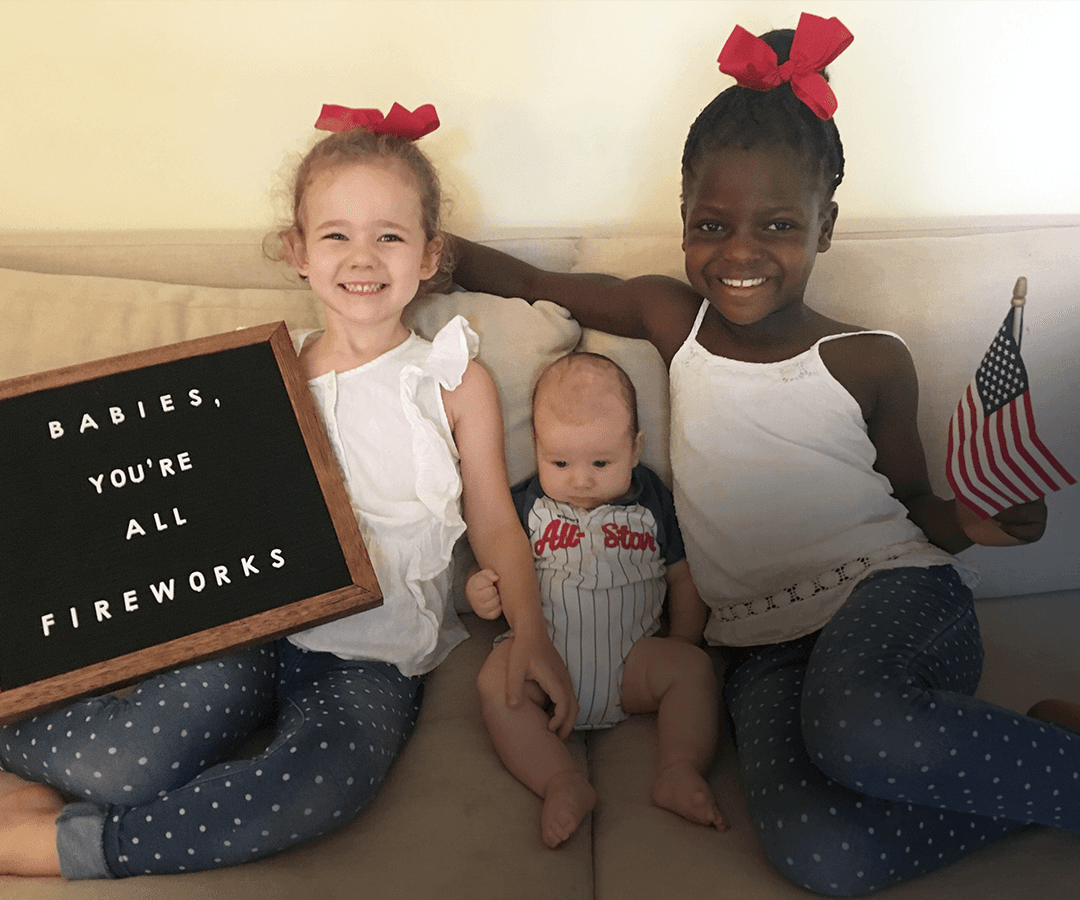
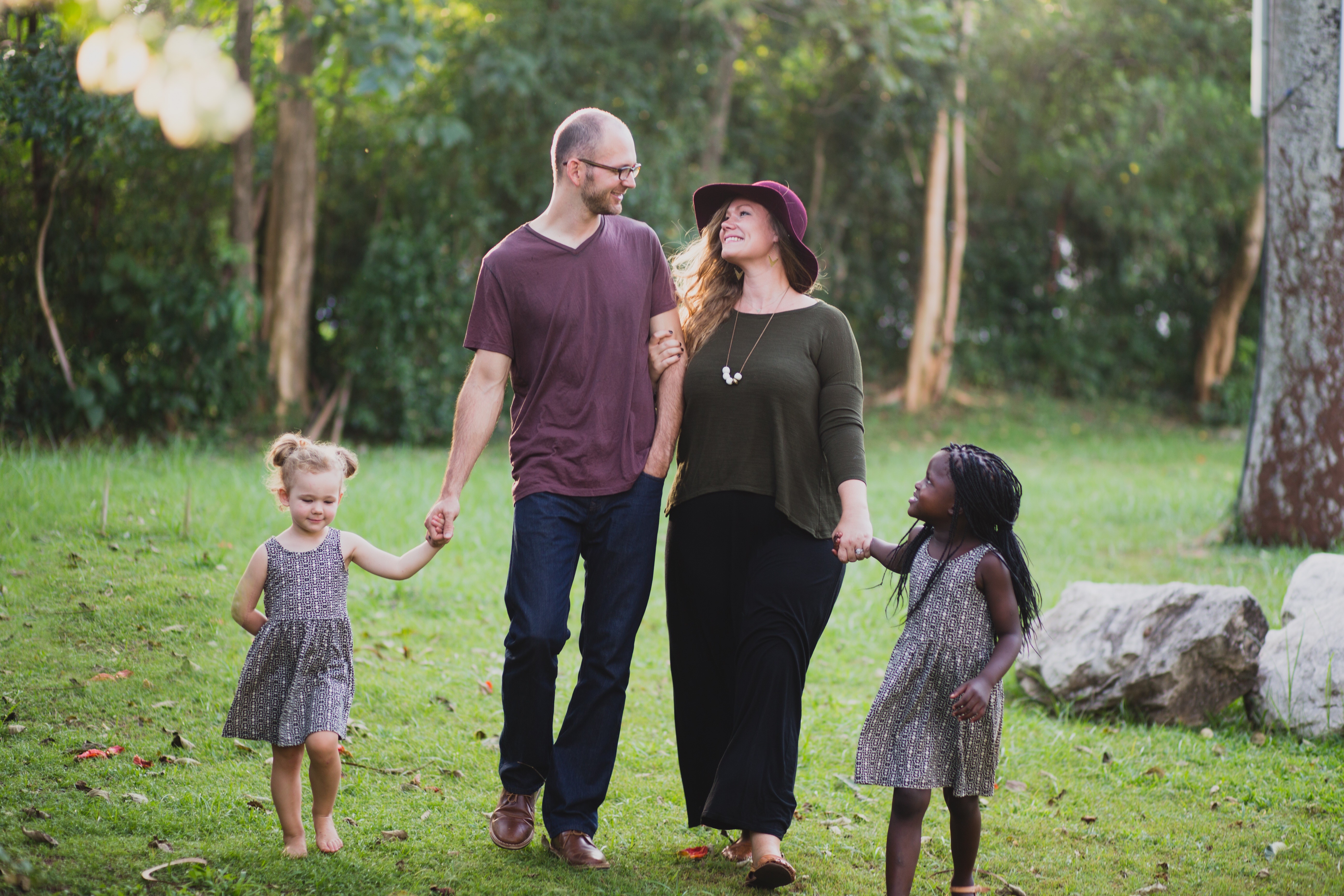
A few weeks later, I landed with Gavin and Eliza in Kampala, Uganda, where we met our daughter, Hope, for the first time. We spent 4 months immersed in Hope’s culture. We navigated the Supreme Court adoption hearings, made as many connections as possible with the limited touch points from her story, and enjoyed the rich hospitality of a nation that would forever become a part of our family’s narrative.
Uganda’s election season was in full swing in 2016 as well, and Yoweri Museveni was running to retain power after 30 years as President. Our family of 4 flew out of the country as polls were prepared to close. All social media outlets had been disabled in the country, and Museveni had placed his political opponents under house arrest.
We landed in the United States to finalize adoption paperwork as our own election cycle ramped up to the 2016 presidential primary. I had voted across ballots since my early 20s…analyzing candidates and their character while considering who would be the best at bringing people to the table rather than pushing a hard policy agenda.
But in the general election, I felt for the first time that it was impossible to vote with my conscience and then select a Republican or Democratic presidential candidate. Almost every person I knew felt the same way that year. I heard over and over again, “Is this really the best our country has to offer us as leaders?”
So, I voted for a 3rd party candidate in 2016. I expected so many others to do the same based on their truest values, and was disappointed to learn that our country wasn’t ready for a political disruptor.
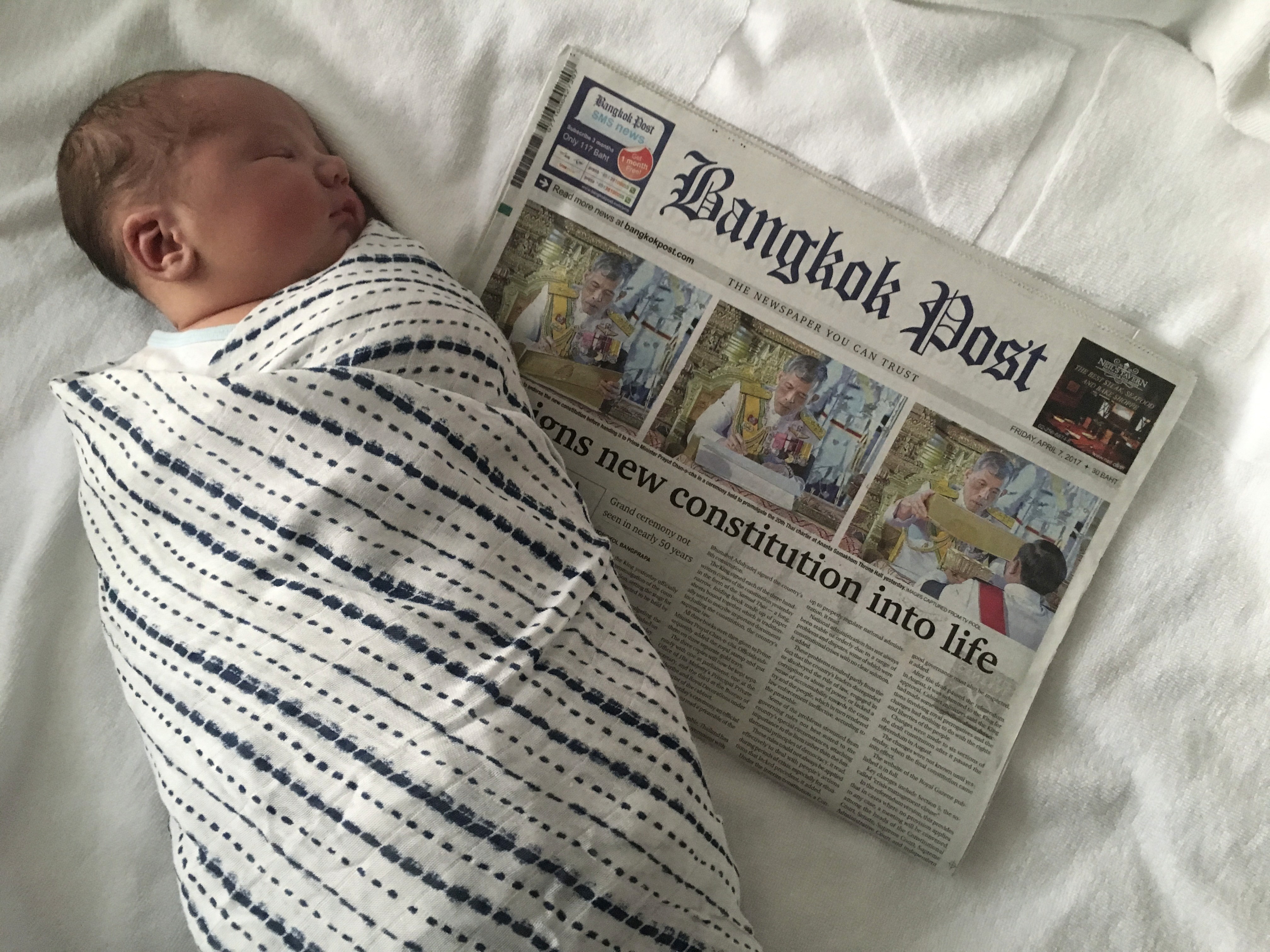
My family returned to work in Southeast Asia, where we welcomed our third little one, Quinn, in Bangkok. Over the next two years, Gavin transitioned from a role as a medical consultant to a job as a direct healthcare provider. I chose not to pursue a career with the United Nations after a job offer at the Office on Drugs and Crime because I enjoyed keeping my hands busy in grassroots field work.
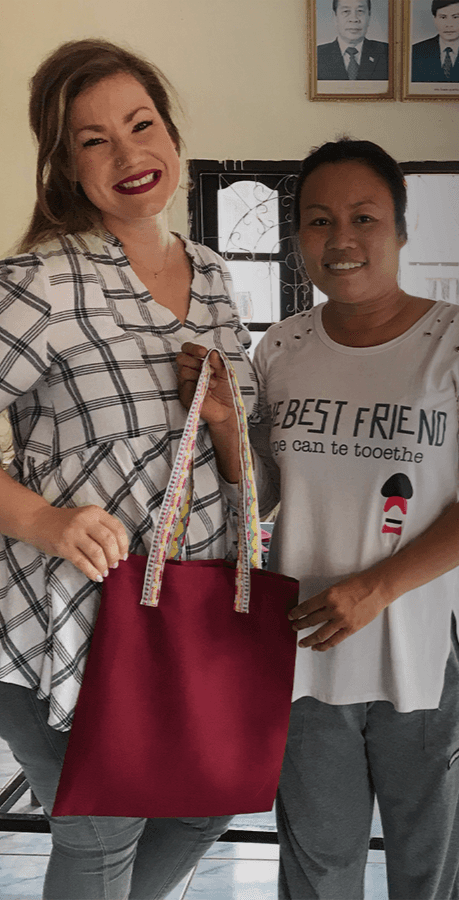
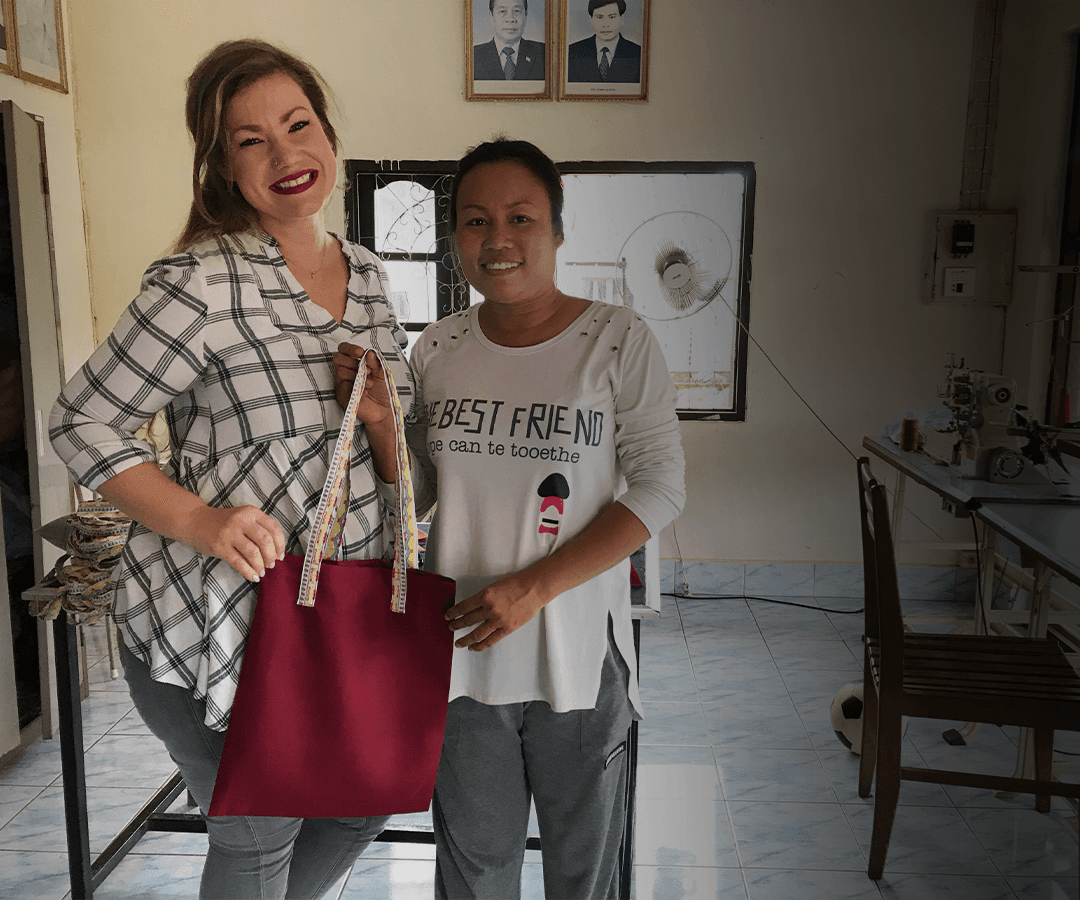
With an incredible team of national leaders, I helped launch 3 businesses to employ survivors of human trafficking and religious persecution. I assisted with dozens of trafficking cases while writing my doctoral dissertation, and repeatedly faced the same issue: Men and women wanted safe, dignified work.
The Call to Serve
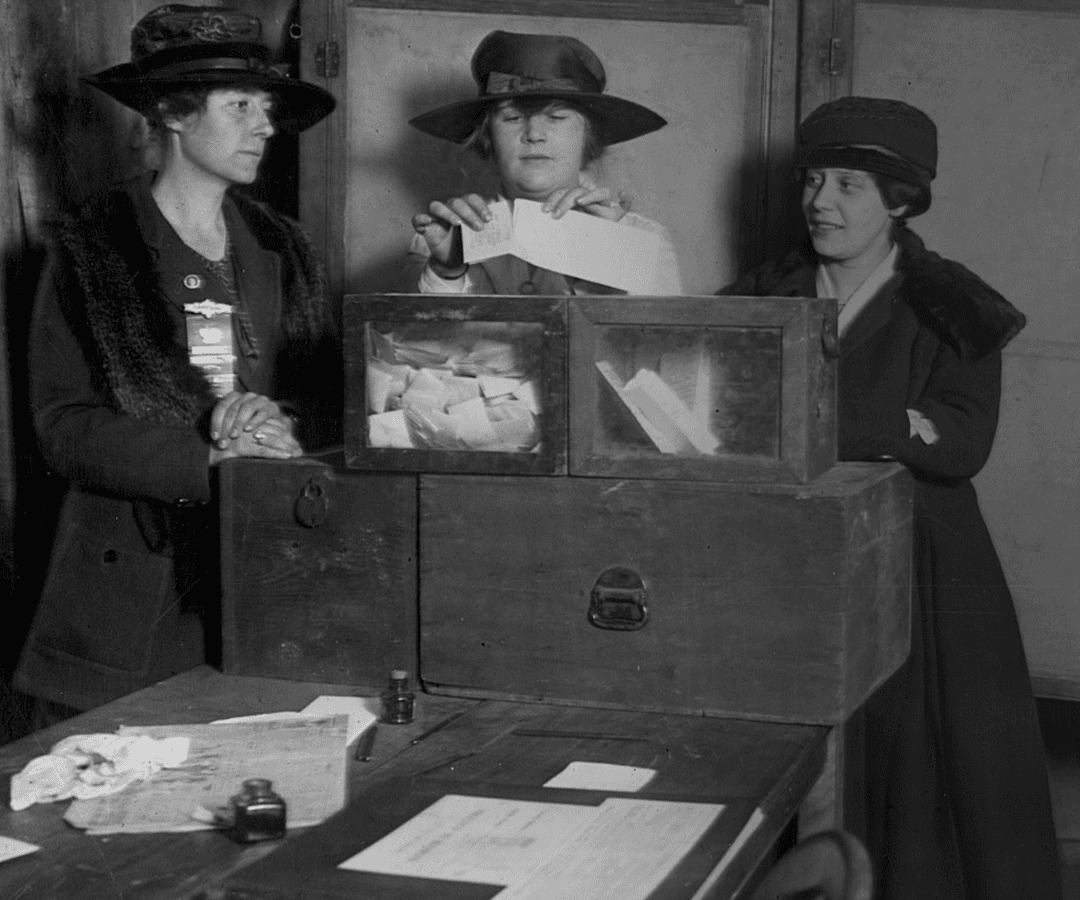
I thought of my great-grandmother who was sent as a young girl to her small town polling site to pass out yellow roses in support of women’s suffrage to the men coming to cast their ballots. It was two decades later when Tennessee became the state to ratify the 19th Amendment and forever codify women’s right to vote in the United States.
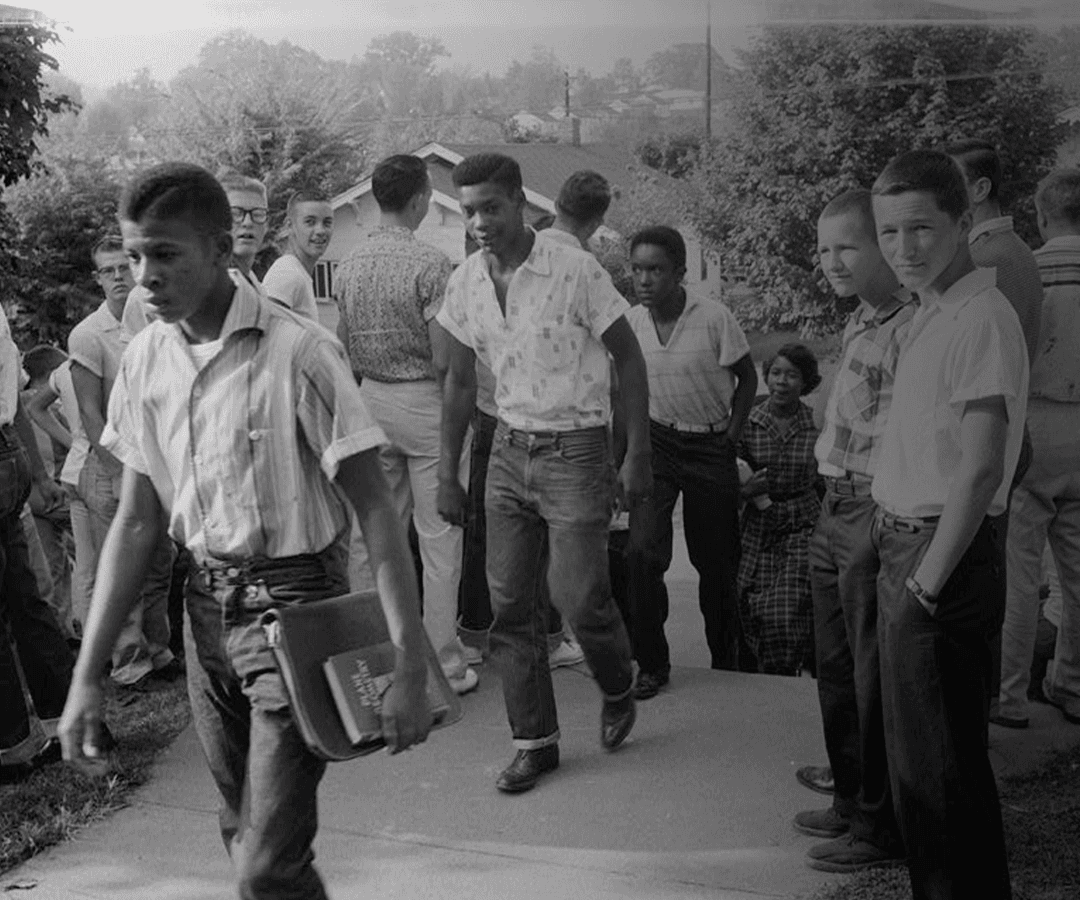
I thought of the Nashville Sit-Ins and the Freedom Riders, of how our great state was the home of moral courage and peaceful resistance in an era of racial progress. Fisk University and Tennessee State University (then Tennessee Agriculture and Industrial State University) produced some of the Civil Rights Movement’s most iconic nonviolent leaders like John Lewis, and Monteagle’s Highlander Folk School offered the premium “intellectual workshop” for nonviolent campaign icons like Rosa Parks and Septima Clark.

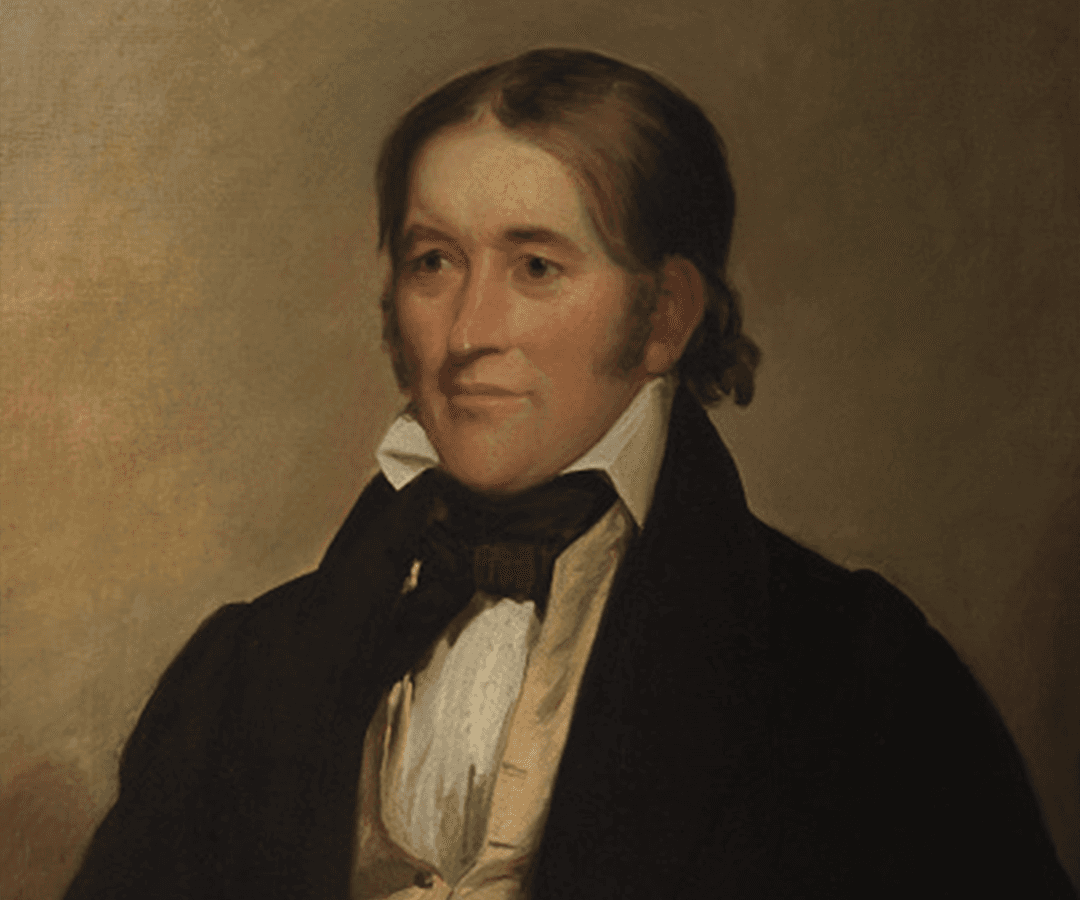
I even thought back to Davy Crockett, the frontiersman who represented Tennessee in Congress. He originally rode the coattails of Andrew Jackson who galvanized the third-party movement of his day, doubling the voter turnout in Tennessee and moving the power forward the federal government from Washington, D.C., back to the hands of everyday citizens.
And I lingered on the legacy of Mr. Crockett, because while he believed in a government that served the people, he was unashamed in his belief that this meant all people. When President Jackson initiated the Indian Removal Act and pushed indigenous people off their native land in Tennessee, Crockett broke ranks with his party and was ousted from Congress by his party leader.
And it is this spirit—the spirit of frontiersmen, of suffragettes, and of activists—that I believe still guides us as Tennesseans. We are solid, courageous people, unwavering in our values and our commitment to our fellow neighbors regardless of their race, gender, or socioeconomic status.
I believe so strongly in us that I am no longer able to sit at home waiting for someone to call us back together. As a person of faith, it would be disobedient and disingenuous to watch another election cycle go by where we ask the same question we asked 10 years ago. “Is this really the best our government can offer?”
We all deserve the chance to vote for someone rather than against someone, and my hope is that over the next year, you will meet me and feel a sense of relief that you can be genuinely represented at the highest level in Tennessee.
As Ida B. Wells, originally from Holly Springs, Tennessee, once wrote:
“The way to right wrongs is to turn the light of truth upon them.”
Her journalism embodied Tennessee’s greatest strength: The willingness to speak truth, even when it burns.
I welcome you to the slow burn of an exciting campaign this year. Together, we will extinguish extremism as we illuminate the path back to the best version of ourselves.